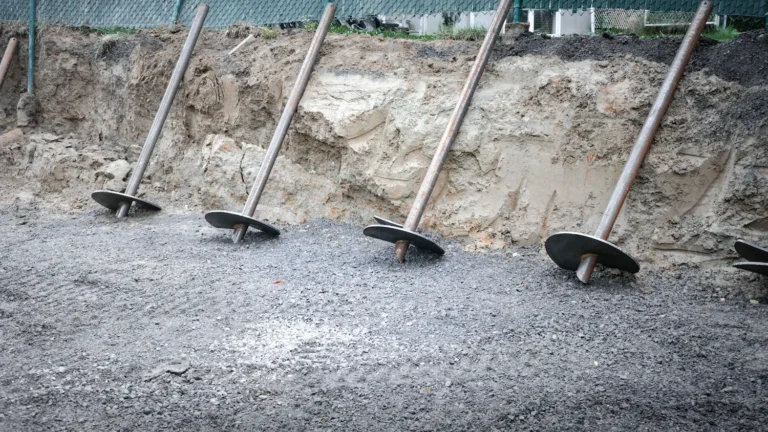
Uncategorized

Installing Screw Piles on a Slope: Challenges and Solutions

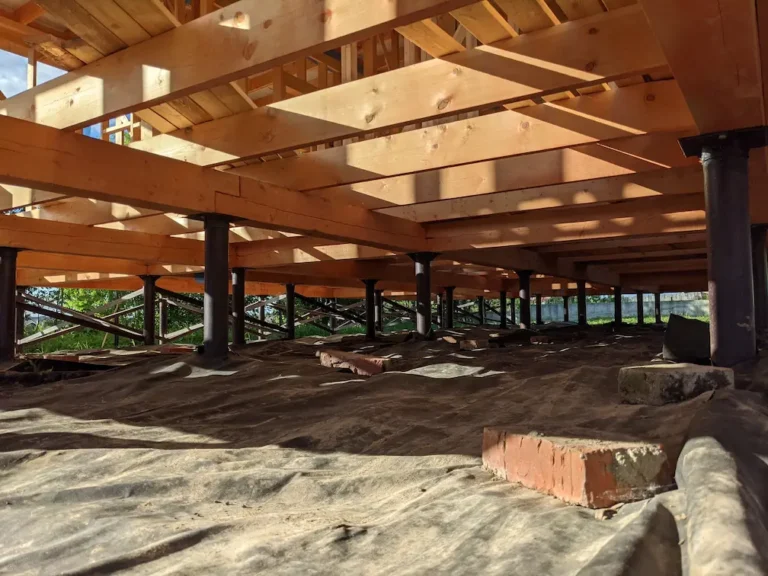
Building your own home or chalet in a mountainous region is a dream come true. But there is one obvious obstacle: a sloped site. Will the building settle over time? Choosing the appropriate foundation solution will prevent this problem.

Wondering if you should go with a concrete foundation or screw piles for sloped terrain? Screw piles are very efficient, economical and adaptable to all types of terrain.

Always hire experts to install screw piles, especially if your land presents specific challenges such as slopes.
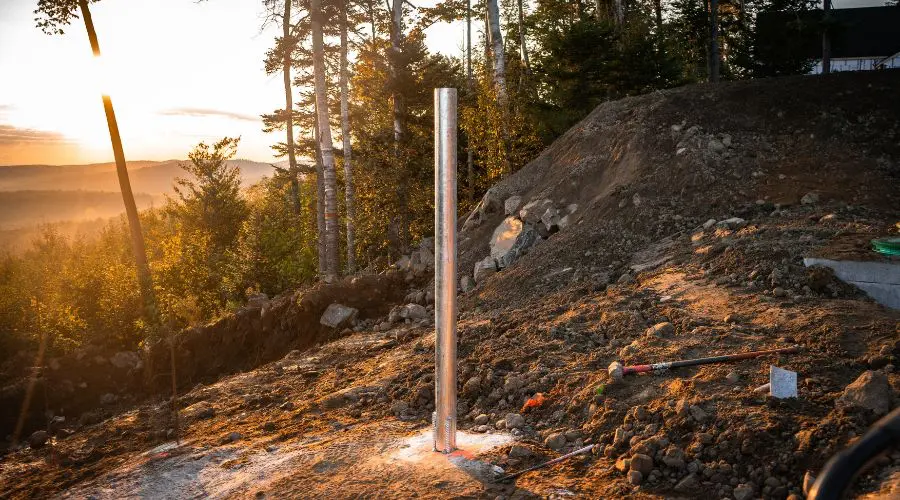
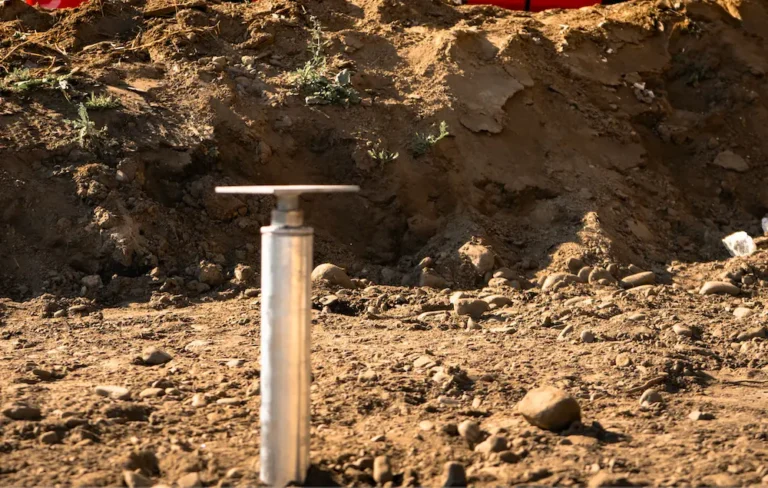
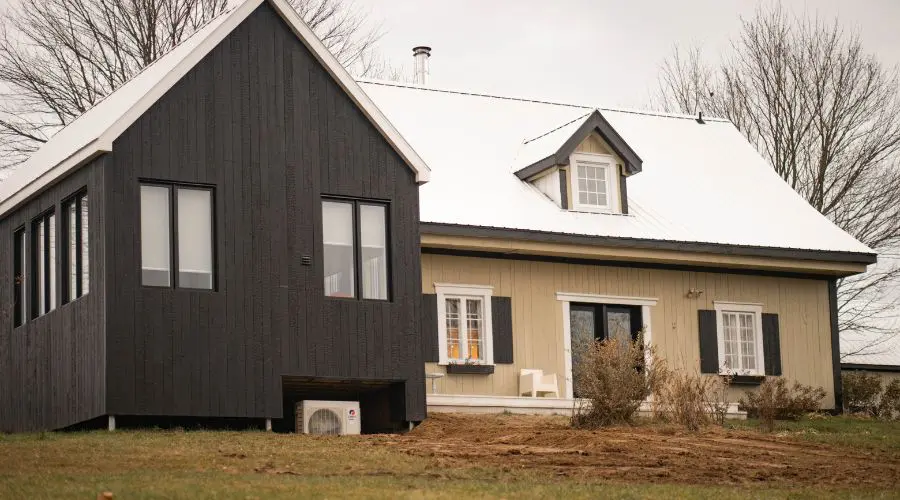
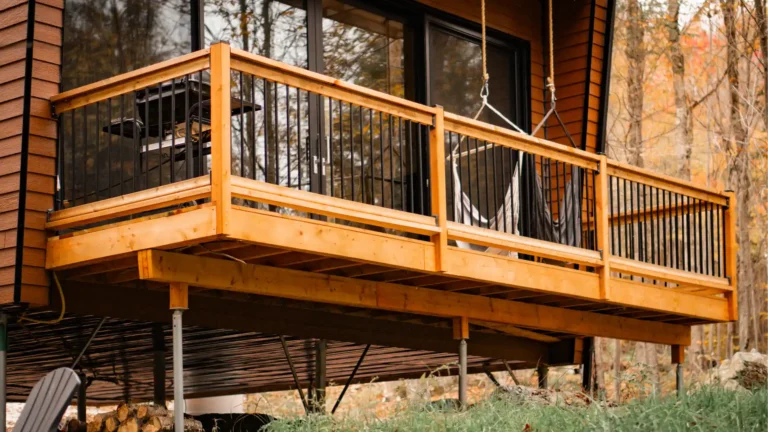
A screw pile on a sloped terrain

What Are The Construction Challenges Affecting Sloped Areas?

Most construction projects involving a house, garage or other big structure require a foundation. How to make sure it is solid and secure?

Helical piles present distinct advantages:

Why Choose Screw Piles For A Sloped Terrain?

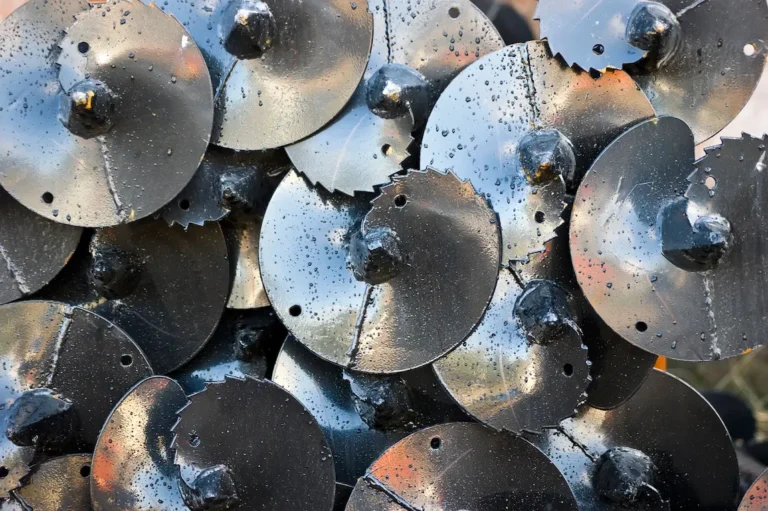
Screw pile systems are designed by engineers. They take into account compression, tension and lateral forces that will be placed on the piles, which leads to the choice of appropriate shaft diameter and helix diameter, as well as number of piles needed. More specifically:

In the end, the array serves as a complete structural unit to support the overall load. 

Screw Piles For Sloped Terrain: Lateral Stability Concerns

Construction on sloped terrain needs to factor in lateral stability concerns. Unlike flat ground construction, sloped surfaces introduce horizontal (lateral) forces. The steeper the slope, the more pronounced this lateral earth pressure becomes. Different parts of the foundation system may experience varying loads.

Moreover, slopes are inherently less stable than level ground because gravitational forces want to move the soil downhill. Traditional foundation methods were not designed to handle these conditions. On a slope, they often require expensive soil stabilization measures before construction can begin. 

But helical piles can get the job done much faster! That being said, careful engineering of the pile system is absolutely necessary to ensure uniform support.
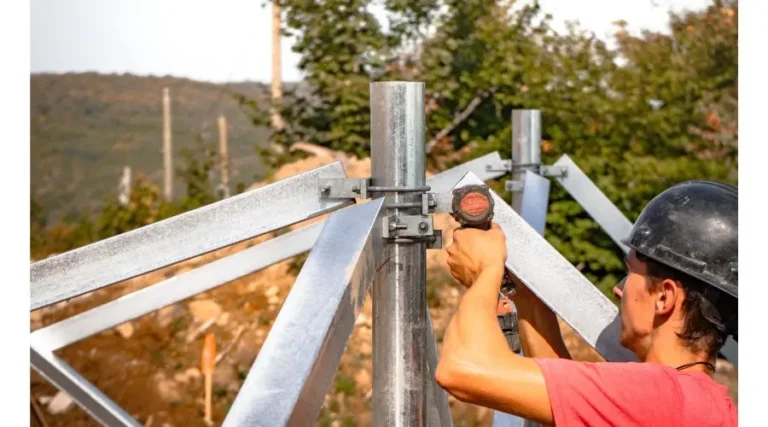
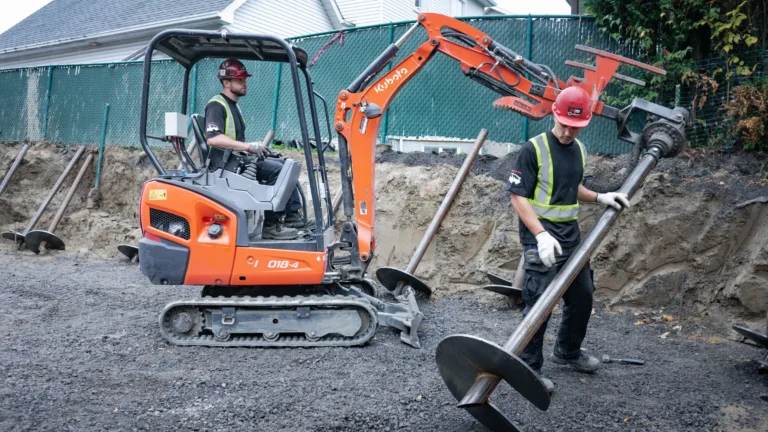
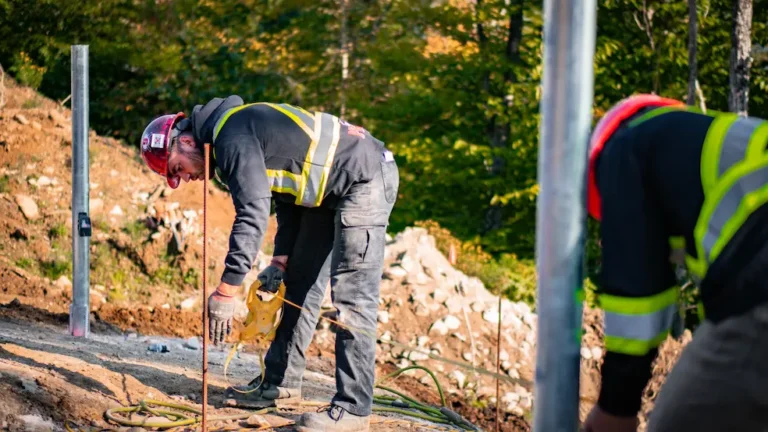
Man installing bracings on screw piles for sloped terrain

Do You Need Piles With A Double Helix Configuration?

Double helix configurations represent an advanced engineering solution for sloped construction. The deeper helix provides primary bearing support and the upper one helps resist uplift forces.

This type of screw pile has two helical plates spaced along the shaft. The larger helix is usually positioned at the bottom and there is a smaller one higher up. Why two helical plates?

Engineers will precisely calculate the spacing between the helical plates based on soil conditions and structural requirements.

Should You Install Battered Piles?

Battered piles are piles installed at strategic angles rather than vertically. They are another solution to manage lateral forces on sloped construction sites. 

A geotechnical analysis can determine the appropriate angle and positioning to ensure optimal resistance to sliding. Typically, angles range from 15 to 30 degrees from vertical. The piles are positioned to directly counteract the anticipated lateral forces. 

The main advantages of using battered piles are:

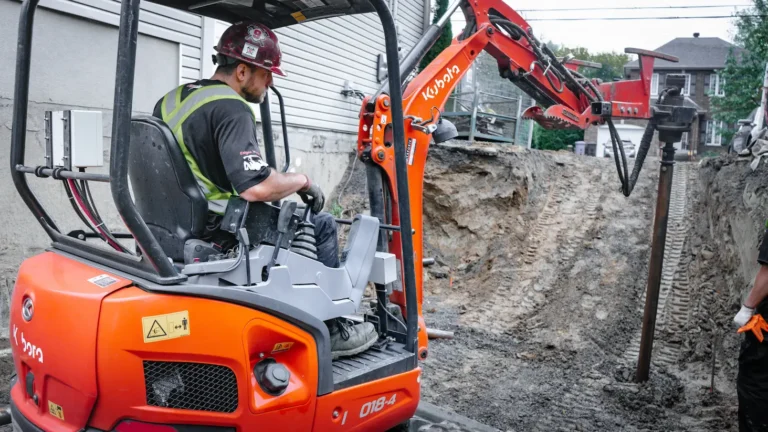
Installation requires specialized equipment:

Is Angled Bracing Necessary?

Above-ground structural bracing systems provide an additional layer of lateral stability. They act as a complement to the double helix configuration and battered piles. They help reduce the lateral pressures on the foundation system.

What is angled bracing?

Once finished, you obtain a triangulated framework.

However, bracing can have a negative impact on your home’s aesthetic. To counteract this problem, you might ask your contractor to use cable bracing systems or position braces to frame openings (rather than obstruct them).
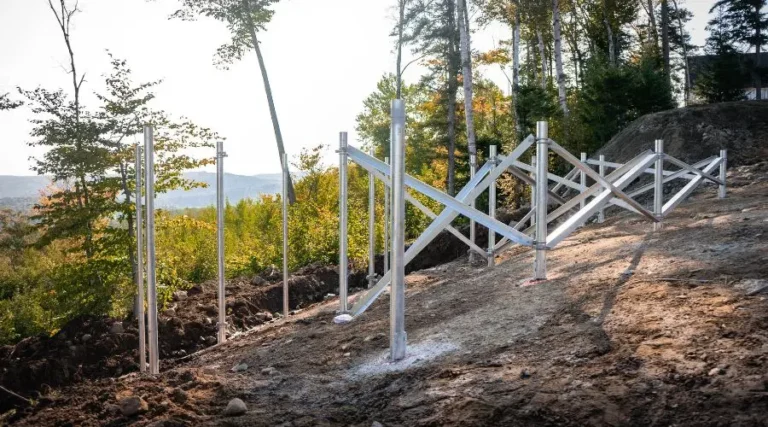
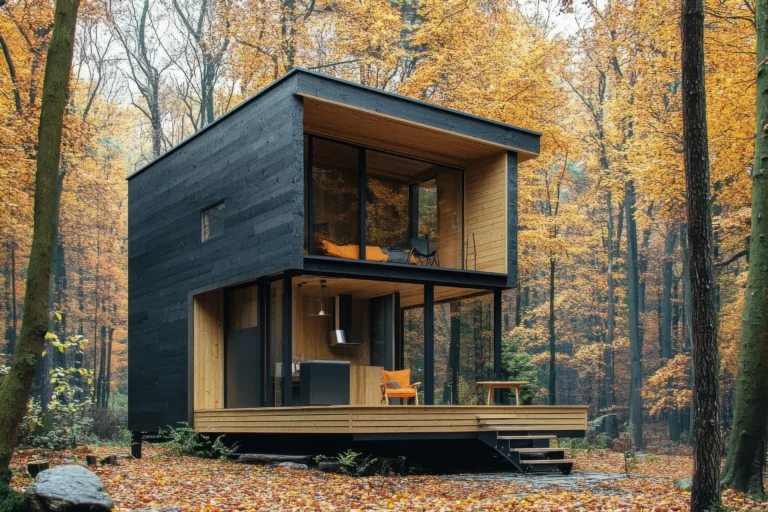
Screw piles system installed on sloped terrain

Screw Piles For Sloped Terrain: How Deep Do The Piles Need to Go?

Screw piles can be driven very deep into the ground, for example over 20 feet deep on a sloped terrain that requires it. If needed, you can add extensions to make the shaft longer.

By measuring torque on site, professionals make sure each pile will go deep enough so that the helix is locked into competent soil. They measure the torque off the drill head from the installation equipment, which is then converted to a bearing capacity.

This means helical piles can be installed much deeper than concrete foundations.

What To Do Before Installing Screw Piles On a Sloped Terrain?

Even if screw piles are a great solution, don’t go in headfirst. Before taking the plunge, follow expert advice.

Consult professionals:

Perform a soil study:

Receive Screw Piles Offers and Start Building!

Companies specializing in the installation of screw piles are used to working on sloped ground, narrow sites, and other difficult spaces.

If you want to build a home or bigger structure on sloped ground, screw piles will provide strength, resistance and flexibility to your building. Their adaptability is key to your success: Install the piles at a depth sufficient to minimize the risks of landslides and erosion, add sufficient bracing, and follow any other advice from professionals!

Ready to start building on screw piles?

Helical piles will bring peace of mind to your new home – you can relax and enjoy the view!
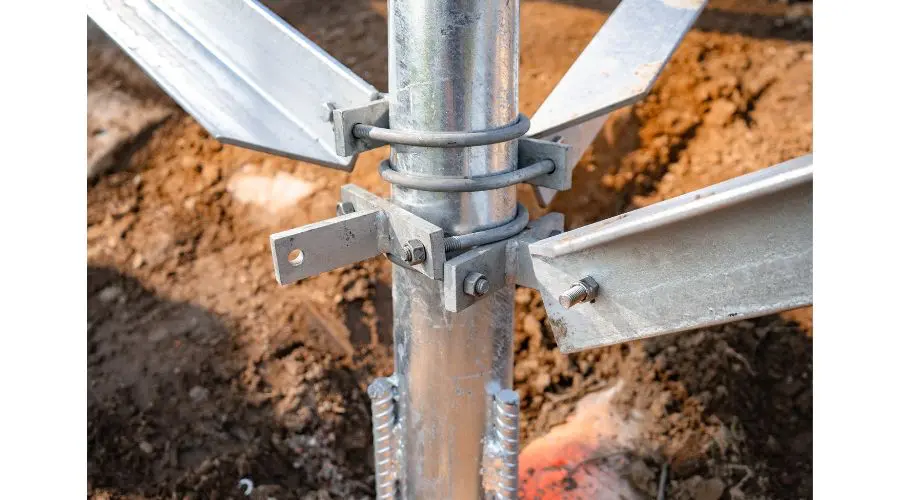
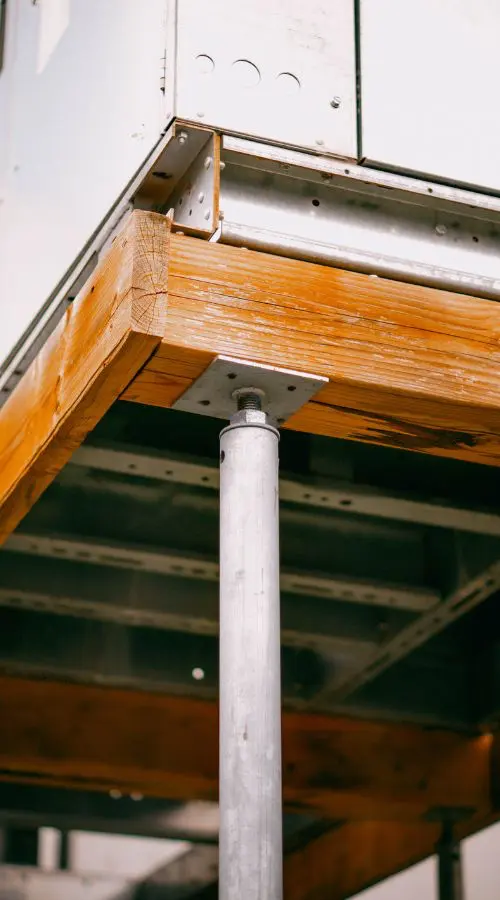
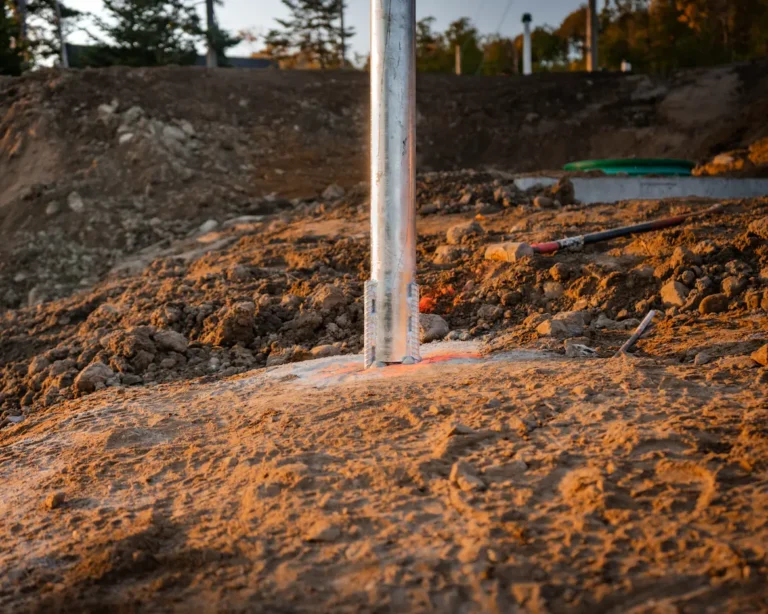
Close view of a screw pile and braces

How Long Do Helical Piles Last in Canada?

People are concerned about helical pile durability, wondering if the upfront cost is worth it. Helical piles are becoming more widely used to support home extensions, cottages, fences, sheds, walkways, and public structures throughout Canada. But before going ahead with the construction, consumers often wonder how long the piles will last.

Professionally manufactured and installed screw piles are a versatile foundation solution for a variety of soil conditions: sand, clay, rock, flood-prone regions and more. They can be installed quickly and they provide a low-impact environmentally friendly alternative to traditional concrete foundations. 

Helical pile installed in sandy soil

Expect Helical Piles to Last Over 100 Years

Rest assured, once your screw piles are installed, they will last a very long time. Generally speaking, they can last 100 to 150 years, sometimes more. 

Because they last this long, helical piles are a cost-effective and environmentally friendly solution as well. 

However, it’s important to note that not all screw piles are the same. Their durability can be influenced by a range of factors.

What Factors Impact Helical Piles Durability?

The following factors assume that you buy helical piles that are manufactured and installed by experts. Structures built on helical piles should always bear an engineer’s compliance certification. Moreover, you should hire a professional to install helical piles, because it needs to be done using specialized tools and precise torque measurements. 

Once quality screw piles are installed by professionals, why do some last longer than others? There are a number of factors to take into account when trying to understand the longevity of the piles.

Helical Piles Durability: The Impact of Material Quality

Unsurprisingly, the quality of the materials used in screw pile production impacts how long they will last. Indeed, helical piles are not all the same. Some are galvanized or coated to resist corrosion, for instance, or use sacrificial material to make them thicker. 

Key durability factors in Canada include:

Several significant industry-wide manufacturing problems that have been documented: Steel sometimes tested below the code-required strength, and manufacturers used paint and other cheap coatings instead of hot dip galvanizing.

Make sure you hire a contractor that uses hot-dip galvanized steel and follows regulations. Here’s an overview of steel quality:

Best: Hot-Dip Galvanized High-Strength Steel

Most helical piles are composed of rust-resistant galvanized steel.

Good for above-ground applications: Weathering Steel

Moderate quality: Painted/Powder Coated Steel

Moderate quality: Extra thickness with Sacrificial Material

Avoid Black Steel

Many durability issues stem from the use of inferior materials such as paint instead of hot-dip galvanizing and substandard steel grades. 

Don’t try to save money by hiring a contractor that suggests lower-quality piles, because it will reduce the expected lifespan of your foundation.

Mistakes in Load-Bearing Capacity Calculation

As soon as they are installed (properly), helical piles offer instant load-bearing capacities. They can accommodate hundreds of tons for all types of projects.

What happens if the contractor miscalculates the load? Does it cause helical piles to wear down more quickly? Yes, and here’s how:

Under these conditions, screw piles may not be able to withstand heavy stress.

However, if you install the proper screw piles correctly, they should last at least as long as the warranty.

Helical Piles Durability: Soil Conditions

Across Canada, we find a variety of soils. The soil conditions of the installation site also have an impact on screw piles.

However, in very stable soil conditions, your screw piles could last much longer than 150 years!

Key factors affecting longevity include:

Canadian soil types can be described as follows:

Podzolic soils

This well-drained, acidic, and sandy textured soil is usually good for helical piles. Its good natural drainage reduces corrosion risk, although high acidic conditions may produce the opposite effect. Screw piles are easy to install in this type of soil.

Clay-rich soils

Clay can retain moisture, increasing corrosion potential for helical piles. You may have to get longer piles to reach the deep stable layers of the soil. This way, it will provide a good bearing capacity for pile support.

Chernozemic soils

The dark, organic-rich, well-structured soil of the Prairies is excellent for screw piles. Its lower moisture content reduces corrosion and provides stable foundation conditions.

Rocky/Dense soils

The Canadian Shield and mountainous regions are mostly rocky. These very dense soils can pose problems when installing standard helical piles. However, they provide excellent long-term stability once installed. There is a very low corrosion risk due to good drainage. Your contractor may need to use carbide tips designed to break through rocky soil conditions.

Permafrost soils

Located in the arctic regions and northern territories, permafrost soils can pose problems when installing standard helical piles. However, they offer good long-term stability once installed. Installation often requires pre-drilling pilot holes.

The most favorable for longevity are rocky and sandy soils. They naturally provide excellent drainage and minimal corrosion of the piles.

Cryosols slow corrosion because of the cold, but installation is way more difficult. Very acidic or clay-rich soils also pose some problems such as moisture retention, which lowers the piles’ longevity.

You have no idea what type of soil you have? Have it tested before ordering screw piles. Many contractors have an engineering department that can take care of this for you. Once you have an answer, they can take additional precautions.

Beware of Ground Movement

Ground movement can also affect the lifespan of helical piles. It happens in specific locations. In such areas, unstable soil can break down helical piles faster.

Be careful and ask for professional advice if you live in:

Is the Durability of Helical Piles Better than That of Other Foundations?

In good soil conditions, helical piles benefit from excellent durability. Look at the table below to see how they compare to other foundational solutions. 

Foundation MaterialLifespan
Helical PilesAbout 150 years
Concrete Slab 50-100 years
ICF BlocksUp to 75 years

With a potential lifespan of up to 150 years, helical piles outperform traditional foundations.

How To Make Screw Piles Last Longer?

The moment when you choose your contractor is crucial. It’s important to check their credentials. Also, you should verify who manufactures the piles they sell. These verifications will help you get the best piles for the job. Basically, you should:

Ready to Get Your Helical Pile Project Started? Compare 3 Quotes!

Helical piles are among the most durable foundation options. To ensure they last a long time, they have to be installed properly, by experienced professionals. They may cost more than a traditional concrete slab, but this upfront investment pays off over time.

Certified installers understand the local soil conditions and follow strict engineering standards. 

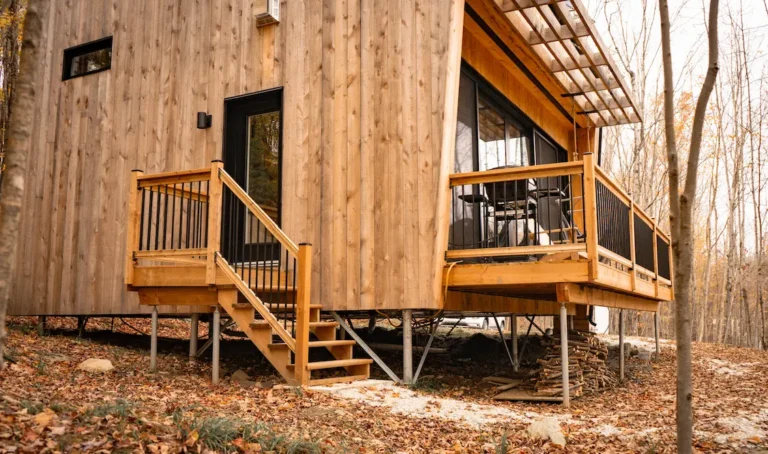
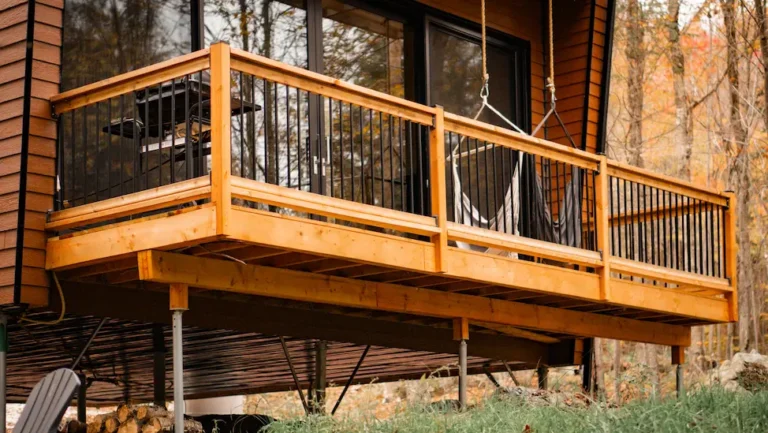
House built on durable helical piles

How Screw Piles Adapt to Clay Soil Conditions

Clay soil has a reputation for being tricky to build on due to its high degree of moisture and changes across seasonal fluctuations. Are helical piles a good foundation solution to use in clay? 

Helical piles, also known as screw piles, can be effectively used in a variety of soil conditions including clay soil. Their design can be adapted to anchor firmly in cohesive clay, for instance.

Find out when and how screw piles are suitable for clay soil. Build decks, sheds, garages, home extensions and more on a stable foundation.

Home built on screw piles in clay soil

Is It a Good Idea to Use Screw Piles For Clay Soil?

You may have heard that screw piles can be installed in any type of soil, from loose sand to dense clay.

The techniques may vary from one type of soil to another, but helical piles are especially versatile. That explains why they have become popular as building foundations.

In fact, the cohesive nature of clay offers better lateral stability for helical piles.

What Are the Characteristics of Clay Soil?

Let’s try to understand what makes clay soil tricky for concrete foundations and why screw piles are a good fit in this type of soil. 

Clay is often dense and cohesive. Because it expands and contracts easily (for example when water penetrates the soil), it can cause shifting in traditional concrete foundations. This does not happen with helical piles when they are installed deeper into the ground.

Loam is also partly made of clay. It is a mixture of sand, silt, and clay. In this mixture, clay does not cause construction challenges and loam is generally considered a well-draining and stable soil.

How Do Helical Piles Perform in Clay Soil?

Screw piles are particularly well-suited for clay soil. Here’s why:

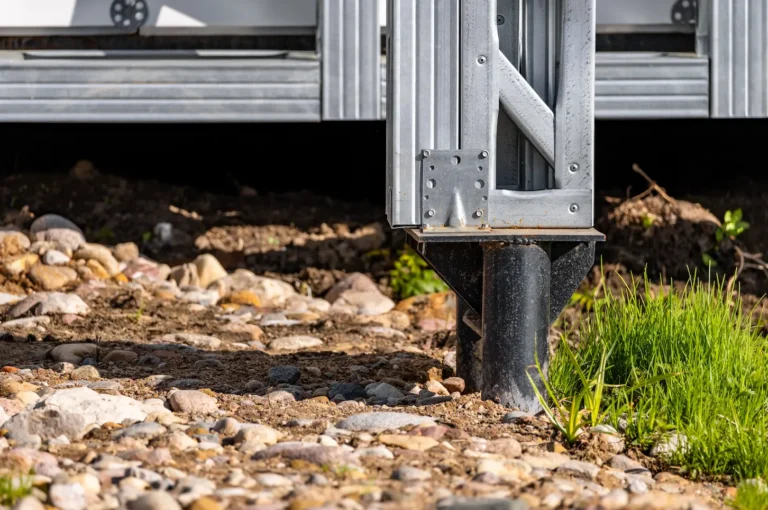
Close up image of a screw pile supporting a metal structure in clay soil

What Type of Screw Piles Do You Need For Clay Soil?

There isn’t one type of screw pile that is specifically designed for clay soil. It’s important to always get an engineer to assess the soil conditions and determine the types of piles you need – which also depends on the load of the structure you’re building, for instance. 

Screw pile specifications will account for clay’s unique properties. To install screw piles in clay you typically need to consider:

Pile shaft diameter

Helix configuration

Steel specifications

Screw Piles for Clay Soil: What Is the Proper Installation Depth?

Helical piles are typically installed deep in the ground, below the soil’s frost zone. This simple attribute protects your foundation from ground movement. Moreover, clay soils can experience significant moisture-related volume changes in the top layers. In clay, screw piles are often installed deeper than in other soil types.

What depth should you achieve in clay soil? Typical depth ranges are as follows:

In clay soil, the piles must penetrate through any soft or unstable layers to reach deeper, more stable layers. Stable layers of clay can be described as follows:

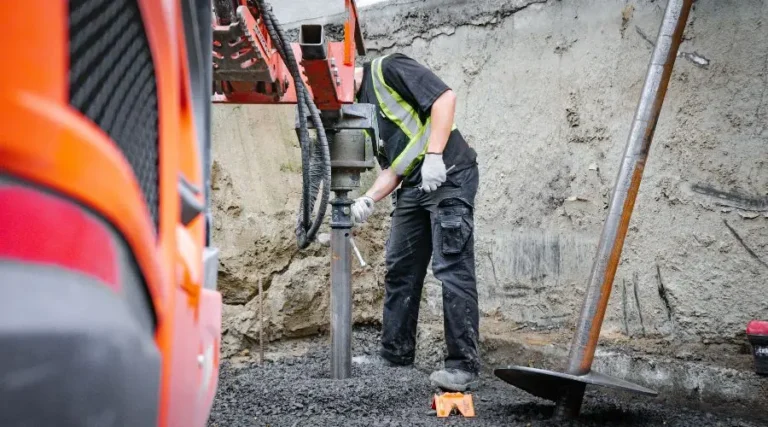
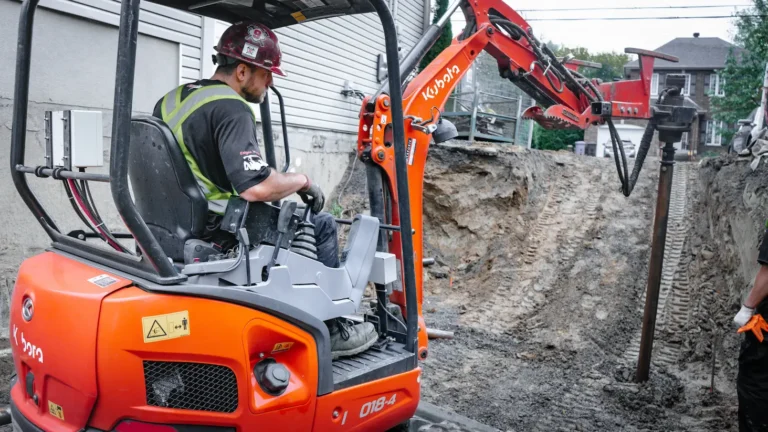
Contractor using equipement to install screw piles in clay

What Are the Main Installation Considerations for Screw Piles in Clay Soil?

In any type of soil, a thorough soil analysis must be conducted before installation. It is crucial to determine the appropriate pile size, helix diameter, and depth for optimal performance. 

During the installation process, torque needs to be carefully monitored to ensure proper anchoring. Installation continues until the required torque is achieved.  In clay, this is less reliable than in other soils types. For more security, load testing is often recommended. Therefore, the contractor will stop when torque is reached, regardless of planned depth. They can dig deeper if needed.

By following these best practices for installation, screw piles can provide a reliable foundation solution in clay soil.

When To Use Screw Piles In Clay Soil?

You want to build a deck? A new shed is your next project? Your family would benefit from a garden room or small home extension? Screw piles can be used for a wide range of applications including:

They are a safe, quick, efficient, and cost-effective foundation solution for small, medium and heavy structures.

Choose Screw Piles For Clay Soil and Get a Very Stable Foundation!

Whether you’re working with dense or moist clay, screw piles offer a versatile and effective solution for your foundation needs. Their specific characteristics make them ideal to reach the most stable layers of the soil.

Connect with up to 3 professionals who know how to handle clay soil conditions.

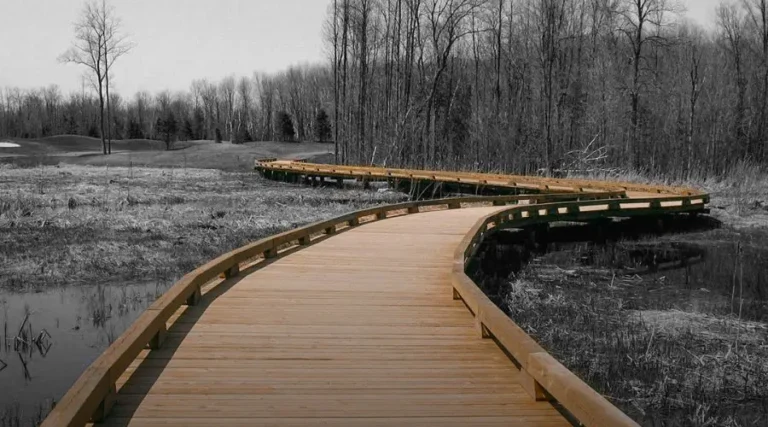
Public pier built on helical piles

Foundations for Modular Homes: Why Choose Helical Piles?

For a while now, modular homes have been gaining serious popularity, and it’s not hard to see why. Built indoors in a controlled environment, they avoid weather constraints, reduce waste, and deliver consistent, superior quality construction. Once completed, the home is transported directly to the final location, ready for installation.

However, upon their arrival, there is only one element that can bring the project to an end: The foundation! That’s the step that locks your home to the land and gets the ball rolling.

Especially for modular homes, when it comes to choosing the right type of foundation, helical piles make way more sense.

foundations for modular homes why choose helical piles

What are helical piles?

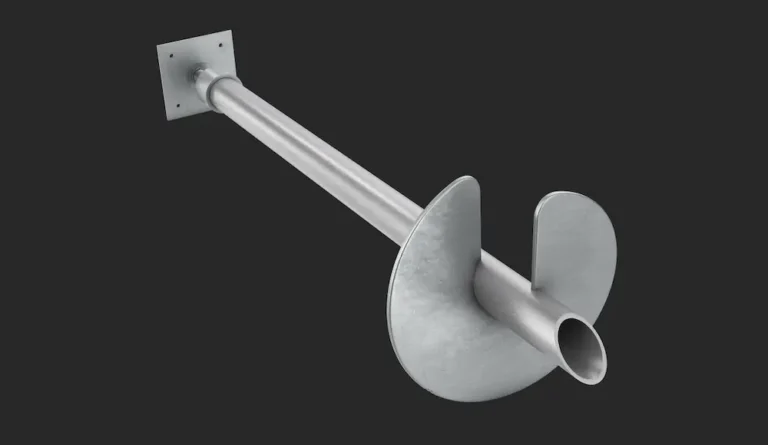
Helical piles are long steel piles with helical (spiral-shaped) blades at the bottom, kind of like giant screws for your foundation. They’re drilled deep into the ground using specialized machinery until they reach stable soil.

Once in place, they provide a solid, stable base that supports all types of structures, including modular homes.

One of the biggest advantages of this type of foundation is speed. Compared to traditional concrete foundations, which take days or even weeks to pour and cure, helical piles are installed up to ten times faster. In many cases, the installation is done in just one day, and your home is placed right after.

Quick, clean, and incredibly strong, helical piles are changing the way we think about foundations.

Do you want to learn more about helical piles? Feel free to reach out to us! Within hours, our team will connect you with an experienced installer who’s happily waiting to answer all your questions.

What are the different types of modular home foundations commonly built?

When it comes to setting your modular home on a solid base, there are a few common foundation options to consider.

Here are the most popular types:

To make sure your modular home stays exactly where it’s supposed to be, choosing the right foundation is key.

types modular home foundations

Why choose helical piles for modular homes over other foundation systems?

The main reason helical piles are often selected for modular homes lies in how well they fit the unique nature of this construction method. Since modular homes are built off-site and then transported, their foundations need to be precise, reliable, and ready to support installation without delay.

Because they don’t require extensive excavation or curing time, helical piles align perfectly with the modular home’s streamlined factory-built process. 

Most of the time, helical piles emerge as the obvious and practical foundation.

What are the advantages of using helical piles for modular or manufactured homes?

Helical piles bring a range of perks that perfectly match the characteristics and needs of modular homes. Why? Because their design and installation process offer practical solutions to common foundation challenges.

As an increasingly popular choice, here are some of the main advantages: 

With all these benefits combined, it’s no surprise that more and more builders and homeowners are turning to helical piles for modular home foundations. Their ability to simplify the installation process is just unbeatable.

advantages helical piles modular manufactured homes

How many screw piles need to be installed for a modular home foundation?

Since every project is different, the number of screw piles required for a modular home varies quite a bit. However, it is safe to say that on average, most modular home foundations need somewhere between 18 and 36 helical piles

When calculating the number of piles required, several factors come into play. 

For example, a smaller, lighter home on solid ground needs fewer piles, while a larger structure or softer soil requires more to ensure proper support.

That is why a site assessment by a qualified installer is so important. They evaluate the ground and the structure’s needs to determine the exact number of piles required. That step ensures your home rests on a stable and secure foundation from day one.

How deep do helical piles go in the ground to support a modular home?

Helical piles are designed to go deep enough into the ground to reach stable, load-bearing soil. In Canada, for most modular homes, that means a depth of around 7 to 10 feet

However, the exact depth fluctuates depending on the type of soil on your property. In areas with soft or loose ground, the piles need to be driven deeper to ensure a solid anchor.

All in all, the goal is to always reach a point where the pile is safely and securely  supporting the weight of your home without shifting or settling over time. Installers use specialized equipment to measure resistance during installation, making sure each pile is placed at the right depth for maximum stability.

What is the life expectancy of piles for modular homes?

When properly installed and made with high-quality, galvanized steel, these piles have impressive durability. They last anywhere between 75 to 150 years

That means once your modular home is in place, you won’t have to worry about the foundation shifting or weakening any time soon, possibly not even in your lifetime!

As a long-term investment, piles are built to last and keep your modular home firmly in place for generations.

What kind of warranty is offered with the installation of helical piles for modular homes?

Knowing your foundation is protected offers real peace of mind, especially when you’re investing in a modular home. Most certified helical pile installers provide long-term warranties that reflect the reliability and durability of the system.

In Canada, you often see warranties of up to 75 years, and in some cases, even a lifetime warranty,. It depends on the company and the installer you hire. 

These warranties generally cover:

It’s important to note that to benefit from these protections, the installation must be done by a certified professional using approved, high-quality materials. If it’s not done by a certified installer, you won’t be covered, and that’s a risk you don’t want to take.

What kind of equipment is used to screw the piles?

Installing helical piles might sound like a big job, but the equipment used is surprisingly compact and efficient.

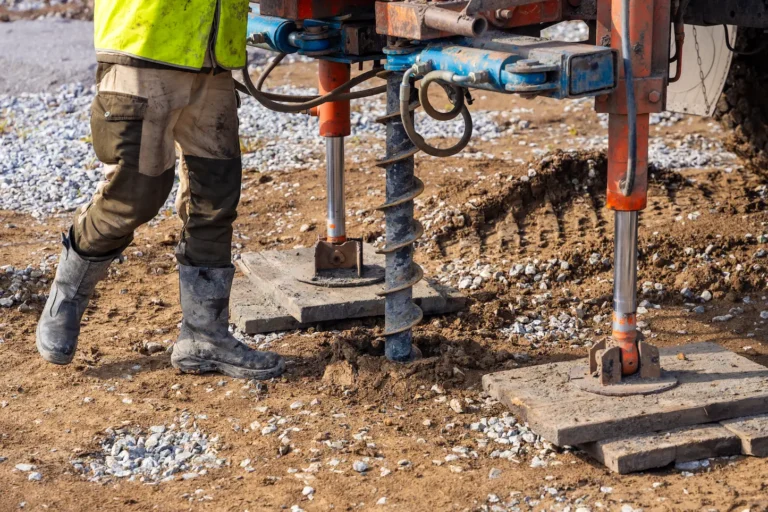
To screw the piles into the ground, professionals typically use a small machine equipped with a specialized hydraulic drive head. This tool gives the installer full control over the speed, depth, and torque, ensuring each pile is anchored properly in stable soil.

Lightweight and mobile, it means that this equipment is able to access tight spaces and is even used on properties with limited access or uneven terrain. For this type of foundation, there’s absolutely no need for large, disruptive machinery or heavy concrete mixers.

Precise, fast and surprisingly clean, the installation process keeps your land intact while giving your modular home a strong and lasting foundation. It’s a high-tech approach to what used to be a messy and time-consuming part of construction.

installation equipement

How much does it cost to install helical piles for modular homes?

The total cost of installing helical piles for a modular home is based on a series of factors. On average, expect to pay between 200$ and 600$ per pile, including installation. 

For a regular modular home that requires anywhere from 18 to 36 piles, that brings the total foundation cost to roughly 3 600$ to 21 600$.

While it might seem like a big investment upfront, it’s important to remember that helical piles don’t require a lot of time to install, no maintenance at all and are made to last for a lifetime. 

Needless to say that over time, helical piles are much more economical than traditional concrete foundations.

Are you looking to install helical piles for your modular or manufactured home?

Are you almost ready to break ground? Then, you must remember that helical piles are perfectly suited for modular construction. If you are considering using this type of foundation, we are here to put you in contact with the best certified installers in your area

Our partners are ready to guide you through the process, answer your questions, and provide competitive quotes tailored to your needs.

Your modular home foundation starts with the right expert!

Screw Piles or Concrete Foundations: Which One Should You Choose?

Before building a deck, a shed, a house extension, a full house or a commercial building, you need to make one key decision. What type of foundation to use? Across Canada, most homeowners end up weighing two options: screw piles or concrete foundations.

Each has its advantages and disadvantages, and the right choice depends on the type of project, soil composition, budget and timeline. 

To help you figure out which one is best for your project, you must start by understanding what are screw piles versus concrete foundations.

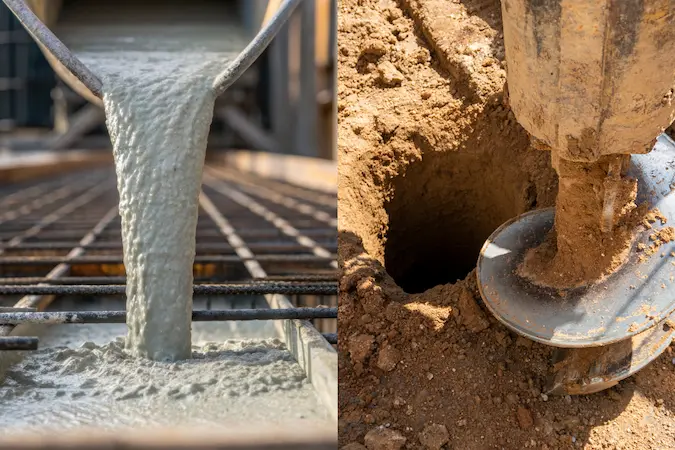
screw piles versus concrete foundations which one should you choose

What are screw piles?

Screw piles, also known as helical piles, are a type of deep foundation system that’s installed by literally screwing them into the ground. Think of them as giant metal screws with helical blades at the bottom, designed to anchor your structure firmly into the soil. 

Made of galvanized steel, they are installed quickly with specialized hydraulic machinery. Because they twist deep into stable soil layers, they provide excellent load-bearing support and are especially great for uneven or unstable ground.

What makes screw piles stand out?

The screw piles are a modern alternative to traditional concrete foundations.

What are concrete foundations?

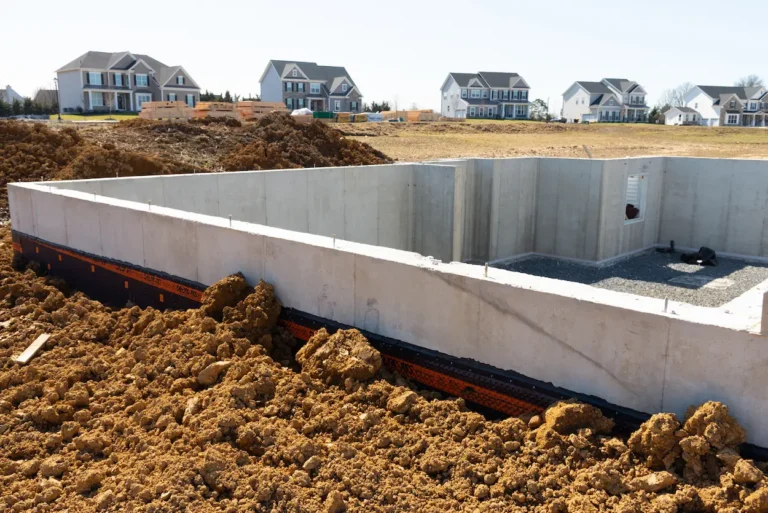
Concrete foundations are the classic choice, the kind of base most people picture when they think of construction. It’s a big pour of concrete, shaped with wooden forms, that hardens into a solid, permanent base for your project. Concrete has been trusted for generations to hold things up.

There are different types depending on what you’re building, but the main idea is the same. It involves digging, pouring, waiting for it to cure, and ending up with a base that’s built to last.

What is the upside?

What is the downside?

If you are looking for long-term strength and you’re not in a rush, concrete might be a good bet.

Screw piles vs concrete foundations - Advantages and Disadvantages

Now that you are more familiar with what screw piles and concrete foundations are, let’s dive into the pros and cons. 

To help you weigh your options, here’s a simple breakdown of each type of foundation: 

Screw piles

Advantages

Disadvantages

Concrete foundations

Advantages

Disadvantages

Types of application - Screw piles vs concrete foundations

Still unsure which option fits your project? Sometimes, the best way to decide is to look at how each type of foundation is commonly used. Screw piles and concrete foundations don’t compete so much as they each shine in different situations.

Screw piles are perfect when you want speed, flexibility, and minimal disruption, like for outdoor projects or seasonal work. Concrete, on the other hand, is better for big, heavy, long-term builds that require serious support.

Here’s a quick overview: 

Screw piles applications

Concrete foundations applications

Of course, that’s not all. Both types of foundations can be adapted to many other projects.

types of application screw piles vs concrete foundation

What are the key differences between screw piles vs concrete foundations?

At first, screw piles and concrete foundations might seem like two ways to achieve the same result. But when you dig a little deeper, the differences become pretty clear.

So if you’re torn between the two options and are interested in learning more about what sets them apart, this side-by-side breakdown will help you see the big picture.

Key differences comparison

Key differences

Screw piles

Concrete foundations

Strength

Strong enough for most residential/light commercial projects

Extremely strong, best for heavy and large-scale structures

Installation speed

Very fast, often complete in a few hours

Slower, requires several days (including curing time)

Site disruption

Minimal, no large excavation or mess

High, requires digging, forming, and potential yard damage

Weather conditions

Can be installed in any kind of weather

Weather-dependent, delays may occur in cold or wet seasons

Lifespan (durability)

75+ years with proper installation and corrosion protection

80-100+ years if well-built and maintained

Maintenance

Virtually none if installed correctly

Minimal, but may develop cracks or shif over time

Upfront price

Often slightly more expensive 

Usually lower in materials, but more labor-intensive

Long-term savings

Save time and costs over the years

Costs may increase with maintenance 

From installation time and weather flexibility to long-term costs and maintenance, each option has its own strengths and compromises.

Why do people sometimes combine screw piles and concrete?

Is a mix of both systems the optimal foundation strategy? It might surprise you, but it could be. Many builders and homeowners don’t just pick one or the other, they combine screw piles and concrete to get the best of both worlds. 

Why? Because each system brings something unique to the table, and together, they can create a foundation that’s even more reliable.

For many projects, mixing the two can be a smart and strategic choice.

How to decide between screw piles and concrete foundations?

So what is the final verdict, screw piles or concrete? The truth is, there’s no universal answer. It really comes down to your project, your priorities, and the conditions on your site.

That said, the list of advantages that screw piles bring to the table is hard to ignore and undeniable: fast installation, minimal mess, year-round flexibility, and impressive durability. That’s why, for many projects, screw piles have become the preferred choice. They make building faster, simpler, and more cost-effective in the long run.

Of course, concrete still has its place. But if you’re looking for efficiency and versatility, screw piles are definitely worth considering, and for many, they’re the smarter modern foundation.

Are you still unsure? Your best bet is to speak with a local expert who can evaluate your site and recommend the right option.

how decide between screw piles concrete foundations

Our partners are ready to provide you with the best screw piles foundation solution!

No matter what your project is, if you are leaning toward using screw piles for your foundation, why not make the next step easy? Our experienced local partners are ready to guide you through the process and offer you the best solution for your needs at a competitive price.

Shortly after we receive your form, our team will connect you with certified professionals who know your region and are committed to doing the job right.

Ready to build?

Can You Install Helical Piles in Winter?

Is helical pile installation in winter possible? When the ground is completely frozen, most homeowners assume construction has to wait until spring. But is it really too late or too risky to start any kind of foundation work? After all, how could you possibly drill or anchor anything into a frost-hardened land?

Well, in Canadian soil, it is a common belief that winter brings construction to a halt, especially for anything involving structural support. However, that’s not always true.

Winter doesn’t always mean a pause. In fact, for certain types of work, like the installation of helical piles, the cold might not be the obstacle you think it is.

We also cover the benefits of cold-season installations, potential challenges to be aware of, and tips to ensure your project goes as planned, no matter the temperature.

can you install helical piles in winter

Can you install helical piles in winter?

Absolutely, helical pile installation in winter is not only possible, it’s a practical, proven technique. Even when the conditions are not optimal, snow, ice, or cold, there is no problem.

Sure, winter slows down some types of construction, but not this one. Helical piles are different! Since they don’t rely on curing time like concrete, there’s no waiting around in the cold. With the right tools and expertise, the foundation is ready to build on right away without having to wait for warmer weather. 

All you need is a team that knows what they’re doing in cold conditions.

What are the benefits of installing helical piles in winter?

You might be surprised to learn that winter installation actually comes with some real advantages.

The more we think about it, the more we notice that winter is a smart time to build. Do you want to know why? You’ll likely avoid the typical spring and summer construction delays. When contractors are swamped and timelines get pushed back. With fewer projects happening, you will enjoy more scheduling opportunities.

If you are ready to move forward, winter might just be the perfect time to start.

What are the common applications of helical pile installations in winter?

While helical piles can be installed anytime, some projects are more likely to be scheduled in December, January, February and March than others.

It’s more popular for larger commercial or industrial projects as they are often required to stay on a tight schedule. However, that doesn’t mean they’re off-limits for residential builds. Far from it. 

More precisely, in winter, helical piles are often used to:

Over time, the colder months become less of a barrier and more of a window of opportunity.

Concrete foundation vs Helical piles - How does winter affect installation methods?

The difference between a concrete foundation and helical piles is night and day.

Cold temperatures and frost seriously complicate concrete work. Curing slows down, ground prep becomes tricky, and there’s always the risk of cracking or degradation. That’s why many contractors prefer helical piles when the weather turns cold.

Piles are simply way more winter-friendly. They’re fast to install, require no curing time, and are drilled right into frozen ground without delay. That means a smoother overall process.

Here’s an overlook at how they compare in cold weather:

For winter builds, helical piles just make sense, that’s all.

Winter installation tips for helical piles

Installing helical piles in winter can be just as smooth, if not smoother, than during other seasons. Well, as long as a few key steps are followed. 

What is the first thing to do? Clear the snow from the site. It sounds obvious, but it’s essential. Removing snow gives the crew proper access to the ground and ensures accuracy during installation.

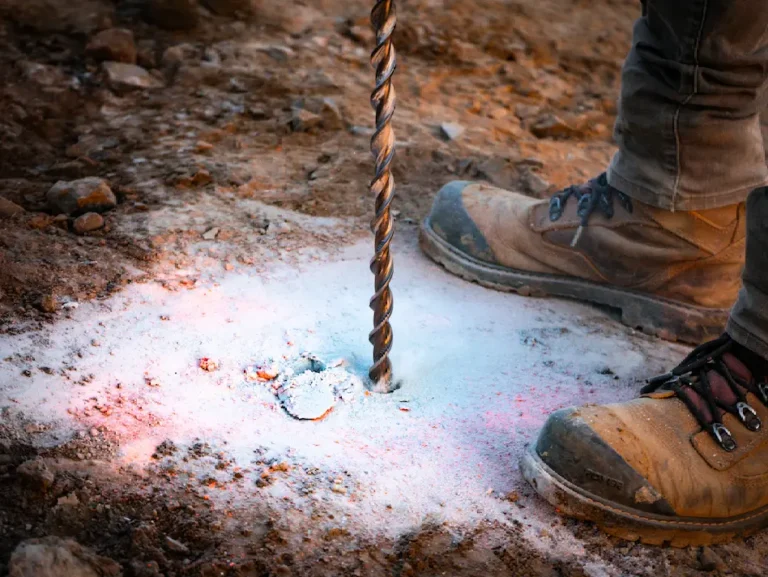
After the removal of the snow, if the frost is particularly thick, pre-drilling a small pilot hole allows the team to break through the ice layer and make it easier to proceed with the pile.

Working with experienced contractors who know the ins and outs of winter installs is required. They come prepared with the right equipment and techniques and are ready to handle whatever Mother Nature throws their way.

helical pile installation in winter tips

FAQ - Most frequently asked questions about helical pile installation in winter

Are helical piles more expensive to install in winter?

It’s a fair question to ask, as many people assume that doing any kind of construction in winter automatically costs more. That’s not necessarily the case because the price usually stays pretty consistent from one season to another.  

However, in some cases, installing piles in winter saves you money. How? Contractors tend to be less busy in colder months, which might give you more flexibility and better scheduling rates. 

So if you’re worried about a seasonal price hike, don’t be. Installing helical piles in winter is not just doable, it’s often a smart investment to make.

Can frozen ground affect or damage helical piles?

It’s easy to assume that frozen ground would be a problem for any foundation system, but helical piles are built to handle it. They’re specifically designed to be installed below the frost line, where the ground stays stable year-round, even in harsh Canadian winters.

On the surface, frozen ground seems intimidating, but once the pile is driven deep enough, it reaches soil that isn’t affected by freezing and thawing. That’s what gives it long-term stability. The piles themselves are made of galvanized steel, which is tough, durable, and built to resist corrosion and ground movement.

So no, frozen ground won’t damage your piles. If anything, the compacted nature of winter soil even helps with installation accuracy. 

How do I find the right contractor for winter helical pile installation?

Finding the right installer for winter helical pile work takes a bit of thoughtful research. 

When the three steps are complete, take the time to read reviews or ask for referrals, specifically mentioning winter installations.

If you are looking for a referral, our team will be happy to assist you and put you in contact with the most experienced winter installer.

Will winter installation disrupt the surrounding environment?

Helical pile installations are notably gentle on the environment. Unlike traditional methods, this one requires minimal soil disturbance. This approach helps preserve the natural landscape, protecting plant roots and local ecosystems from unnecessary disruption.

The installation process is also designed to be vibration-free, reducing the risk of damaging nearby structures or disturbing wildlife. Additionally, since helical piles are made of steel, they are highly recyclable, contributing to a reduction in construction waste and promoting sustainability.

Opting for helical piles during winter installations not only ensures a stable foundation but also aligns with eco-friendly construction practices.

Don’t wait for spring - Secure your helical pile installation in winter now!
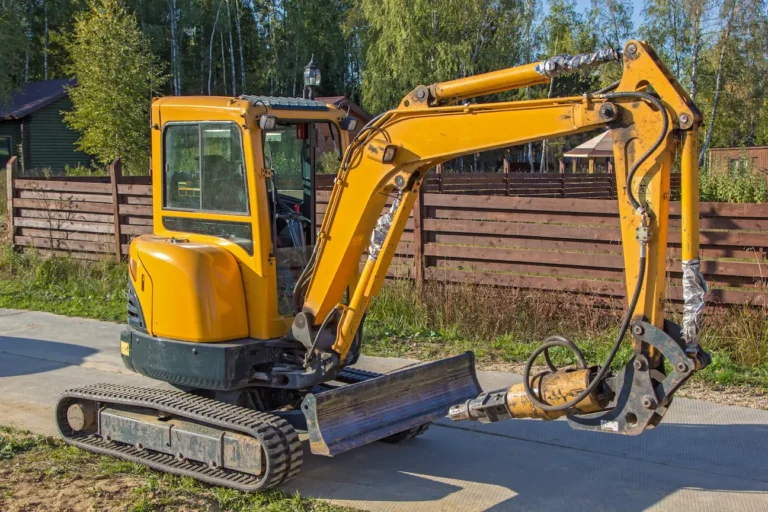
Don’t wait months to get started, secure your helical pile installation and keep your project on track.

Ready to help you with expert service, competitive pricing, and answers to all your questions, our local partners are standing by to respond to your request.

No matter the season or the weather, make it happen!
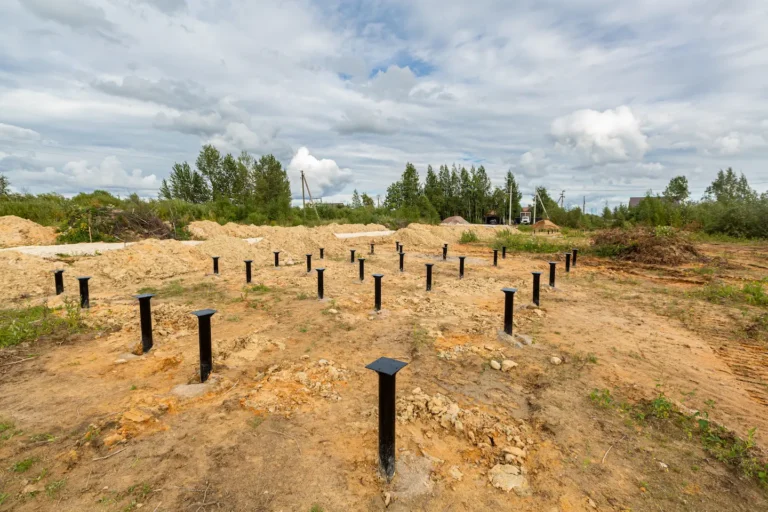
TOP 5 Helical Piles Installer in Ontario

Choosing the right type of foundation and the right company to build it is one of the most important steps in any construction project. Throughout the years, it’s for their strength, speed, and versatility that helical piles have quickly gained strong recognition in Ontario.

However, with so many companies out there, how do you know who really delivers quality and reliability?

top 5 helical piles installer ontario

TOP 5 - Who are the most renowned helical pile installers in Ontario?

With dozens of companies offering helical pile installation across Ontario, narrowing it down to the best may feel hard. That is exactly why we have done the legwork for you.

The following TOP 5 list highlights trusted installers who stand out for their experience, certifications, equipment, and customer satisfaction.

Whether you are planning a residential or commercial project, these companies have proven they can deliver solid results from the ground up.

Top 1 - Pro Post Foundations

Pro Post tops the list for a reason. With over 35 certified installers across Ontario, Quebec and the Maritimes, they bring deep local expertise and a national support network to every project. Whether you are building a deck, cottage, patio, or commercial structure, their screw‑pile method offers a fast, clean, and reliable foundation.

What makes them truly stand out?

This company gives you the best of all worlds. A durable, environmentally-friendly foundation, backed by reliable local support across Ontario.

Top 2 - Techno Metal Post

Techno Metal Post is a powerhouse in screw‑pile foundations. Recognized not just in Ontario, but globally. With over 30+ years of innovation, they’ve redefined foundation solutions through engineered excellence, specialized equipment, and certified installers.

What sets them apart?

Techno Metal Post offers a premium, engineered, and efficient foundation system with strong warranties.

Top 3 - Postech Screw Piles

Postech Screw Piles bring a lifetime of stability to foundations and they back it up. Operating since 1995, this Canadian-grown company has installed over 1.6 million screw piles across more than 217 000 projects via 132+ dealers nationwide, including solid coverage right here in Ontario.

What makes Postech a top choice?

Built for Ontario’s conditions, this company offers every customer a trusted, engineered, and durable foundation.

Top 4 - GoliathTech

GoliathTech brings industrial-grade strength and precision to Ontario’s helical pile scene. As a Canadian-based manufacturer and installer, they offer a fully galvanized, traceable, and frost-protected foundation system. Backed by a lifetime warranty, they deliver rapidly with certified install teams.

What are the key reasons they shine?

GoliathTech pairs industrial-grade durability with rapid installation, full documentation, and support making them a top-tier choice.

Top 5 - Xtreme Post

Xtreme Post may come in fifth, but their galvanized steel screw piles deliver a foundation that’s truly built to last. Founded in 2005 and manufactured in Québec, their system is well-suited for a wide range of projects across Ontario. From decks and cottages to commercial builds and industrial sites, this young company is making its way up. 

Why do they make the top 5?

As they offer a robust, frost-resilient foundation solution that is efficient, eco-conscious, and fully compliant with Ontario regulations, they round out our list as a great choice specialist.

Why choose helical piles to build your foundation in Ontario?

Nowadays building anything in Ontario means dealing with unpredictable soil, harsh winters, and strict building codes. And you know what? That’s exactly where helical piles really shine. 

Instead of digging giant holes and waiting for concrete to cure, these screw-like piles are installed in just a few hours, with minimal inconvenience and no delays.

Whether you’re in the city or out at the cottage, they go in cleanly and can be used almost anywhere, even on sloped terrain or clay-heavy soil. 

And that’s not all. Engineered to resist frost movement, your deck, addition, or shed stays level and secure for years. People love them because they’re not just practical, they’re faster, more reliable, and more affordable in the long run than traditional options like concrete.

When time, budget, and performance all matter, and they always do, helical piles are simply the better way to build a foundation.

How to choose a reliable helical piles installer in Ontario?

In all honesty, hiring the wrong installer will most likely turn your dream project into a nightmare. And you want to avoid that. Whether we are talking about delays, hidden costs, or piles that move with the frost, a poor job costs you more than money. 

With that being said, working with a qualified, approved, and trustworthy installer will ensure you get a job done right the first time, saving you time, and a ton of stress.

How do you know who to trust when everyone claims to be the best? Well, it all comes down to a few key things you should always check before moving forward:

At the end of the day, you need to remember that a reliable installer doesn’t just put in piles, they support your entire project.

What are the common mistakes to avoid when hiring a pile installer?

When it comes to foundations, cutting corners will for sure cost you big later. Helical piles are very reliable, but only when installed properly. Unfortunately, many people make the same avoidable mistakes when hiring an installer. Here’s what to watch out for:

Ask questions, do your homework, and never rush the decision. Your foundation deserves the best.

What makes the TOP 5 installers in Ontario worth hiring?

It is clear that the TOP 5 didn’t get there by chance. For years now, these companies have gone above and beyond the basics. Do you want to know more? Here’s what truly sets them apart:

These are all companies you can actually count on, not just hope for.

best installers ontario

Get a free quote from a certified helical piles installer in Ontario!

Foundation work isn’t the place to gamble. These installers earned their spot for a reason. It’s because they consistently deliver the best results.

No pressure, no cost, just the info you need to move forward confidently.

7 Things to Verify Before Hiring a Helical Pile Installer

Before hiring a helical pile installer, there are a few things that need to be verified. After all, if there is one thing you don’t want to mess up is what’s holding everything else together. 

Helical piles might seem simple on the surface, but for them to be installed correctly and professionally, the team must be up to the task. Trust us! It’s way easier to check these 7 things before the work begins than to deal with a problematic install when it’s already too late.

things to verify before hiring helical pile installer

What are the 7 things to verify before hiring a helical pile installer?

Maybe your cousin’s buddy “does this kind of work,” or maybe you’re tempted to just go with the cheapest quote you find online. We get it. When you’re dealing with tight deadlines and a project to move forward, it’s tempting to rush.

However, here is the thing. No one wants to redo a foundation or deal with shifting structures because something wasn’t done right the first time.

So before you give anyone the green light, here are the 7 things you really should verify when looking for a helical pile installer.

#1. Soil conditions and load capacity

Before anything gets screwed into the ground, it’s essential to know what kind of soil you’re dealing with, and also whether it can actually support the structure you’re building.

Clay, sand, and rock, they all behave differently. A good installer assesses the soil conditions and calculates the load capacity needed for your project. If they skip this step, that’s a big red flag. 

Without proper testing, you risk piles that shift, sink, or fail over time. Strong foundations start with solid ground, literally. Don’t be shy to ask how they evaluate soil before starting the work.

#2. Plans and specifications

Even if the job seems simple, like installing piles for a deck or a small backyard shed, it still needs a clear plan. A qualified installer works from proper plans and specifications, either provided by an architect, an engineer or created in collaboration with one. 

This includes knowing exactly where the piles go, how deep they need to be, and what load they’re expected to carry. If someone shows up ready to figure it out on-site, that’s a no-go. 

Always remember that precise planning is not only a suggestion, it is an obligation. Make sure your installer works with clear and approved plans.

#3. Licensing, insurance, and safety record

This one is definitely not the most exciting, but it’s non-negotiable. When hiring anyone:

While you’re at it, ask about their safety procedures and records. A good installer takes job site safety seriously, for their crew and for your property, and complies with any OSHA regulations and other safety standards. If they get defensive or vague when you ask, take that as a sign.

Professionalism isn’t just about skill or something to promote on a website, it’s mostly about responsibility.

#4. Expertise, experience, and equipment

Like in any other industry, some have years of experience and top-notch equipment, and others, not so much. Ask:

A team of professionals always has the right tools for the job and knows how to adapt to different site conditions. 

Experience matters, especially when it comes to something as important as your foundation. You want someone who’s seen it all and knows how to handle it.

#5. Project planning and documentation

A trusted helical pile installer doesn’t just show up and start drilling. They should provide clear documentation along the way and walk you through the : 

That means a written quote, installation report, and proof of alignment with your plans or engineer’s specifications. If everything’s verbal or scribbled on a napkin, that’s a huge problem. 

Proper documentation protects you just as much as it protects them. It keeps everyone on the same page and avoids problems mid-project. So don’t be afraid to ask for written details as any real expert already has them ready to go.

#6. References and portfolio

Anyone can say they’re the best, but what do their past clients say? A reputable installer has no problem sharing references and photos of recent projects. Take a few minutes to check them out.

A credible portfolio not only shows skill, it also builds trust. If they hesitate or don’t have much to show, that’s worth a second thought. 

Here, you’re not being picky, you’re just doing your homework before trusting someone with the foundation of your entire project.

#7. Underground utility locations

Before any digging or drilling happens, it’s critical to know what’s hidden underground. A professional helical pile installer will always take care of utility locates before starting the job. 

That means identifying where are the: 

Identifying the nature of underground installations and their exact locations prevents the installers from accidentally hitting something that would then cause serious damage or danger.

For their team, your property, and everyone nearby, you want to work with someone who follows the rules and puts safety first.

Is verification required before installing piles on a property?

Yes, some verifications are definitely your responsibility, while others need to involve professionals or your local municipality.

Don’t worry! You don’t have to figure it all out alone. A reliable installer is there to guide you through the process and let you know what needs to be done (and by who).

And if you’re ever unsure about what applies to your project or your area, just reach out! To make sure that everything is done by the book, our network of trusted partners is here to help you and give you the right answers.

verification required before installing screw piles property

10 questions to ask your helical pile installer before signing a contract?

Before officially committing,  it’s worth sitting down (or hopping on a call) with your potential installer and asking the right questions. This isn’t about being too picky, it’s about making sure your foundation is in the hands of someone who knows what they’re doing. 

Here are 10 smart questions to ask that’ll give you a clear picture of their expertise and professionalism:

Don’t hesitate to take notes, ask follow-ups, and trust your gut. A trustworthy company will gladly answer every question you may have.

Find a reliable helical pile installer near you in just a few clicks!

Choosing the right helical pile installer isn’t something you want to leave to chance. From soil conditions to safety practices, every detail matters when you’re building something that needs to last. 

Now that you know what to check and which questions to ask, the next step is simple: let us help you connect with the right installer near you.

With us, there is no endless searching, just reliable experts ready to get your project off to a solid start.

Helical Piles Installation in London, Ontario – 2025 Price Breakdown

Helical piles installation is becoming a worry-free solution in all kinds of residential builds. Are you building a deck, a garage, an extension, or even a house? No matter what kind of structure is needed, it all starts with a solid foundation. And if you’ve been doing your research, chances are you’ve come across helical piles.

In London, Ontario, they are known for being strong enough to support just about anything you’re building. But let’s be honest, what most homeowners really want to know is the cost.

helical piles installation london ontario price breakdown

What is the average cost of helical piles in London, Ontario in 2025?

While you are budgeting for a construction project in London, one of the first numbers you’ll want to lock down is the cost per helical pile.

In 2025, the average price ranges between 300$ and 600$ per pile, and that usually includes both the pile and the installation. 

Most local contractors will quote around 500$ per unit, depending on the installer and project type. While 300$ is about as low as it gets, prices can easily go above $600 for more complex needs.

Helical pile

Minimum price

Average price

Maximum price

Price per unit

300$

500$

600$+

This pricing applies to standard residential installations, and it’s a good baseline if you’re estimating how many piles your project might require.

How much does helical piles installation cost in London?

The cost of installing helical piles includes labor, machinery, and the time it takes to complete the job. While the full price per pile ranges from 300$ to 600$, it’s useful to know that between 150$ to 350$ of that is for installation alone.

A significant portion is allocated to labor, not because the job takes days, but because it requires skilled individuals and the right equipment to ensure a safe, long-lasting foundation.

Even though the piles themselves aren’t overly expensive, it’s the expert handling and precise installation that drive the price. So, while you’re technically paying per unit, remember that each one includes not just the material, but the skilled work needed to get it into the ground properly.  

How much does a pile foundation cost in London?

It always helps to have a clear idea of what a pile foundation might cost overall and not just per pile. 

To give you a quick snapshot, here’s a breakdown of average costs for common projects in London, Ontario, using helical pile foundations. Whether it’s a small deck or a large commercial building, these numbers will help you get a sense of what to expect on your budget.

Helical piles foundations

Price average

Small deck

3 000$

Medium deck

5 000$

Home extension

9 000$

Small residential structure

11 000$

Large home

22 000$

Commercial foundation

25 000$+


price pile foundation ontario

Installation price breakdown for a typical residential project in London, Ontario

To give you a clearer picture of costs, let’s look at a real example. John is building a medium-sized deck in London, Ontario.

This example reflects typical labor, machinery, and material costs you’ll find locally this year. Of course, bigger projects or challenging sites will increase the price, but for many homeowners, this gives a realistic range to plan from.

How do you estimate the cost of a pile foundation?

When you are not a professional, estimating the cost of a pile foundation is tricky, but one of the simplest and most reliable ways is the unit cost approach.

What is it? Basically, you figure out how many piles your project needs, then multiply that by the average cost per pile, including installation. This method works well because it breaks down the price into manageable chunks, making it easier to adjust your budget if your project changes.

So, how do you figure out how many piles your project needs? The exact number depends on several factors, like the size and weight of your structure, soil conditions, and local building codes. Usually, a structural engineer or a qualified installer will assess your site and plan to determine the right pile count and spacing. 

For example, a small deck might only need 6 to 10 piles, while a larger home addition could require 20 or more. While you get a rough idea based on similar projects, it’s best to get a professional evaluation.

Helical piles installation - Is it a good long-term investment compared to other options?

Definitely yes! Here are a few reasons why installing helical piles is a really smart long-term investment:

Because of these advantages, many homeowners agree that the higher upfront cost pays off through fewer repairs and a more stable foundation in the long run.

What factors influence the price of a helical piles foundation?

The price of a helical pile foundation isn’t set in stone. It will vary quite a bit depending on your project. While the cost per pile gives you a solid starting point, several factors affect the total price. Here’s what influences the price:

Some of these are out of your control, but others, like comparing quotes, will help you save. That’s why it’s worth asking questions and making sure your estimate reflects the real conditions of your site.

factors influence price helical piles

What’s included in the installation price of helical piles?

When you get a quote for helical pile installation, it includes more than just the piles themselves. Most contractors in London offer a price that covers everything needed to get the job done properly including:

Keep in mind that engineering, permits, or custom site work may cost extra. Before signing anything, always double-check what’s included and what’s not.

What is the price difference between DIY and professional installation?

At first, doing it yourself might seem cheaper. A helical pile from the hardware store costs around 80$ to 120$ each, and you can rent the required machinery for 300$ to 500$ per day. Add to that your time, possible errors, and the lack of professional torque verification, and the savings start to fade.

On the other hand, professional installation costs more (300$ – 600$ per unit), but it provides you so much more:

So yes, let’s be real for a minute. While you will pay more upfront with a reliable company, you are getting quality, safety, and durability. In the end, it’s one of those cases where paying more is worth every penny.

professional installation

Top tips to save money on your helical pile foundation?

Helical piles are a solid investment, but there are smart ways to keep the costs in check without cutting corners. A few well-planned decisions make a big difference in your final bill. 

How to save?

Saving money doesn’t mean sacrificing quality, it just means being strategic. A little homework now goes a long way in protecting both your budget and your build.

Put our network to use and get up to 3 free quotes from certified installers in London, Ontario!

Now that you have a clear picture of what helical pile installation costs in London, Ontario, you’re in a great position to move forward with your project.

Whether you’re building a deck, an extension, or something bigger, getting the right price starts with talking to the right people.

Helical Piles in Ottawa – 2025 Price Guide & Installation Tips

To make your next project come to life, are you looking to install helical piles in Ottawa? If so, you are in the right place. 


No matter what you are looking to build, helical piles are definitely becoming the new go-to foundation for good reasons. They are fast to install, perform exceptionally well in Ottawa’s soil conditions, and offer extremely reliable support without the mess of traditional concrete footings.


But of course, one big question remains. How much do helical piles cost in Ottawa?

Do you need a price for your project? Fill out our form to connect with certified helical pile installers in your area, and compare quotes with zero obligation.

helical piles ottawa price installation tips

What are helical piles and why are they popular?

Helical piles are steel foundation anchors that screw directly into the ground, offering strong, stable support for everything from decks to full-scale buildings. 


Designed for performance and durability, these piles are made of three parts:

In Ottawa, they’re especially popular because they adapt well to clay, sand, and even frost-prone soils. There’s no need to dig, pour concrete, or wait days for curing. You just install them and start building.


Fast, clean, and engineered for tough conditions, it is easy to understand why more and more contractors and homeowners are turning to helical piles.


Are you curious to know if they’re right for your project? Get a quote from local experts today.

How much do helical piles cost in Ottawa in 2025?

If you are planning a project that requires helical piles, you’re probably wondering what kind of budget to expect. While costs will vary depending on soil conditions, load requirements, and accessibility, we’ve gathered average price ranges to give you a realistic starting point.


To help you plan ahead, here is what you should expect to pay per pile:

Helical pile

Price per pile

Minimum price

300$

Average price

500$

Maximum price

600$+

*The prices listed are for informational purposes only and do not represent guaranteed costs for your project.*

For a precise quote tailored to your project, we recommend speaking with a certified installer. Luckily for you, you can request multiple estimates only by filling out our form.

how much do helical piles cost ottawa

Helical piles Ottawa - What factors affect the price?

Far from it, not all helical pile installations cost the same. In fact, the final price depends on a mix of technical and logistical factors that vary from one project to the next.


So whether you are looking to build a small structure in your backyard, a residential building, or a commercial one, let’s explore some of the key elements that influence a quote: 

How does the installation process of helical piles work?

Installing helical piles is surprisingly quicker and cleaner than most people expect. Without the delays and complications of digging through frost-prone soil, it is an easy process.

Depending on what you plan on building, the whole job can often be done in just one day. To ensure everything is done right the first time, it is essential to work with experienced, certified helical pile installers, who understand local soil conditions and building codes.

installation process

Are permits required for installing helical piles in Ottawa?

In some cases, yes you will need a building permit before starting installation. This is true especially if the piles support a new structure or major addition, like a house extension.


Why is that? The City of Ottawa requires permits to guarantee your project meets: 

This process typically involves submitting detailed plans showing pile locations, depths, and engineering specifications. If you’re working with a professional installer, they will provide the proper documentation so you can complete the permit application process.


Tips: Before you start digging, make sure to check with the city and your installer to confirm all necessary permits are in place.

Can homeowners install helical piles without professionals?

While the idea of installing helical piles yourself might sound appealing to save money, it is not recommended.


Installing helical piles requires specialized hydraulic equipment and technical expertise to ensure proper depth, torque, and alignment, which are critical factors that affect your structure’s safety and stability. 


Mistakes during installation will lead to costly damage or foundation failure. Additionally, local building codes often require permits and inspections that professional installers are familiar with. 


For these reasons, hiring certified helical pile installers is the smartest and safest choice to guarantee a durable and compliant foundation.

installation professionals ottawa

Can helical piles be used for residential projects in Ottawa?

Yes! Helical piles are an excellent foundation solution for many residential projects in Ottawa. From small to big structures, thanks to their design and adaptability.


Homeowners often use helical piles to support decks, home additions, porches, garages, and even small accessory buildings. They provide strong, stable support without the need for extensive excavation or concrete.


Plus, because they’re screwed deep into the ground, they resist frost, a common concern in Ottawa’s climate. With that being said, if you have a project in the loop and want a reliable foundation option, helical piles are definitely worth considering.

What is the lifespan of helical piles in Ottawa?

When properly installed by professionals, helical piles easily last 50 years or more. Their impressive lifespan is largely due to the durable galvanized steel used in manufacturing, which resists corrosion and weathering over time.


The piles are installed deep below the frost line, where soil movement is minimal, reducing stress and wear. That said, longevity also depends on factors like soil type, drainage, and whether proper torque was achieved during installation.


Choosing a certified installer is key to maximizing performance, and durability. For most residential and commercial builds, helical piles offer a solid, low-maintenance solution built to last for decades.

When should you choose helical piles over concrete foundations in Ottawa?

In Ottawa, both concrete foundations and helical piles have their place. However, there are many situations where helical piles are clearly the better choice.


Homeowners and contractors often opt for them when time, access, or soil conditions make traditional concrete more difficult or expensive.


You should consider helical piles over concrete foundations when:

If you don’t know which option is best and need help deciding what’s right for your project, we can connect you to certified foundation experts in Ottawa. They will assess your needs and provide tailored advice without any obligation.

Ottawa prices - Are helical piles cheaper than concrete?

At first glance, helical piles might seem more expensive per unit than concrete footings. However, when you factor in the speed of installation, minimal excavation, no curing time, and the ability to build year-round, they often end up being more cost-effective for many Ottawa projects. 


They significantly reduce labor hours, equipment needs, and weather delays, all of which can add up quickly with traditional concrete.


Moreover, their long lifespan, 50 years or more, means fewer repairs or replacements over time, making them a smarter investment in the long run.

Where to find certified helical pile installers in Ottawa?

If you are on the search for the best installers in Ottawa, you don’t need to look any further. Here, we work with a trusted network of licensed and experienced foundation specialists who know helical piles inside and out. 


No matter what kind of structure you are planning to build, getting the foundation done right starts with the right team. 


All in one place, by using our platform, you will quickly get matched with reliable installers, compare quotes, and choose the one that fits your requirements and budget. 


Get in touch with certified pros near you to start your project with confidence today!

Ready to install helical piles in the Ottawa region? Receive 3 free quotes straight in your mailbox!

Do you need a solid foundation for your construction? Well, helical piles might be the right call.

Get the best value for your money!